
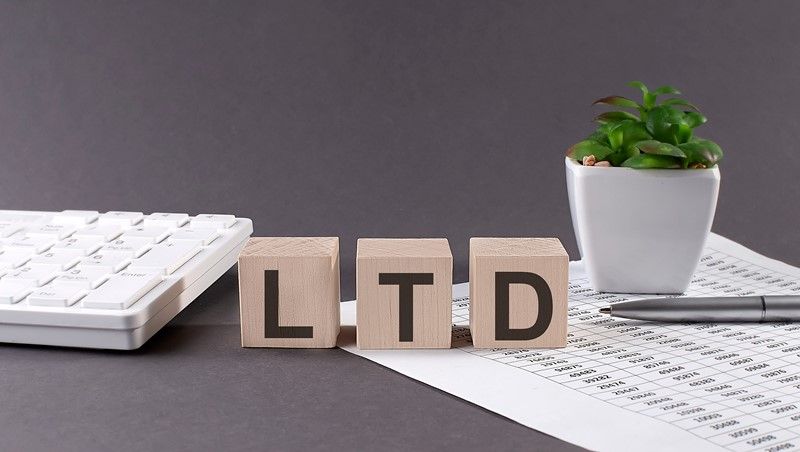
Should you incorporate your business?

tiemadmin • 17 February 2025

Deciding whether to incorporate your business in the UK involves evaluating several key factors:

Limited Liability Protection

Incorporating as a limited company creates a separate legal entity, safeguarding your personal assets from business debts and liabilities. This means your personal finances remain protected if the business faces financial difficulties.

Tax Implications

Operating as a limited company can offer tax advantages. Companies pay Corporation Tax on all trading profits at a maximum rate of 25%; for smaller companies, this rate can be as low as 19%. Additionally, dividends distributed to shareholders are not subject to National Insurance, potentially providing a more tax-efficient method of remuneration.

Administrative Responsibilities

Incorporation brings increased administrative duties, including:

  • Regulatory Compliance : Registering with Companies House, filing annual accounts, and submitting confirmation statements are mandatory.
  • Record Keeping : Maintaining detailed financial records is essential to meet legal obligations.
  • Costs : Expenses include registration fees and potential professional services for compliance.

Professional Image and Credibility

A limited company structure can enhance your business's credibility, potentially attracting more clients and investors. This formal structure often instils greater confidence among stakeholders.

Business Growth and Investment

Incorporation facilitates business expansion by allowing:

  • Equity Sharing : Issuing shares to raise capital from investors.
  • Succession Planning : Simplifying ownership transfer, ensuring business continuity.

Conclusion

Incorporating your business offers benefits like limited liability and potential tax efficiencies but comes with added administrative responsibilities. It's crucial to assess your specific circumstances, financial goals, and the current economic environment. Please call if you need help considering your options.

by tiemadmin 9 February 2026
Many business owners are entering the new year with a sense of caution. Confidence across the UK business community has softened, driven by continued cost pressures, uncertainty over tax policy and The post Budgeting and forecasting in a period of lower confidence appeared first on Feldon Accountancy.
by tiemadmin 9 February 2026
Hospitality businesses continue to operate in a challenging environment. Rising wage costs, energy prices and supply chain pressures have all placed strain on margins. Against this backdrop, recent The post Business rates support and cash flow for hospitality businesses appeared first on Feldon Accountancy.
by tiemadmin 5 February 2026
Business Asset Disposal Relief (BADR) can significantly reduce the Capital Gains Tax due when selling a business or shares, but with higher rates coming from April 2026, timing and eligibility matter The post Eligibility for Business Asset Disposal Relief appeared first on Feldon Accountancy.